A couple years before the famed Dr. Alister MacKenzie first visited northern Michigan to begin designing legendary Crystal Downs Golf Club north of Frankfort, another Scottish golf course architect arrived in nearby Charlevoix to take over the Chicago Club’s course there. His name was William “Willie” Watson. Watson had come to the US from Scotland in 1898 and began designing golf courses, first in Minnesota, then in California, where he and his growing family settled down. In all, he designed around 100 courses from Virginia to California. In 1925, he was contracted to build a golf course for the popular Belvedere Club in Charlevoix. Over 100 years later, the green complexes at Belvedere Golf Club are the last remaining original Watson greens in America.
Among the ranks of Golden Age golf course architects, Watson’s name is not as widely known as MacKenzie’s or Donald Ross’s, but even Ross consulted Watson on design principles. And several of the courses Watson built, including the Olympic Club’s two layouts near San Francisco, Interlachen Golf Club in Minnesota, and Brentwood Country Club in Los Angeles, stand today as iconic layouts.
Belvedere GC Head Professional Dennis “Marty” Joy II is a font of information and history, both about Watson and the course itself. “Forty-six major winners have visited Belvedere,” said Joy as he shared some of his vast knowledge during my recent visit. “That’s second only to Oakland Hills, where they’ve held a bunch of US Opens. Tom Watson is an honorary member, and he shows up every couple of years for a round. Jack Nicklaus was here a few years ago to play his son.”
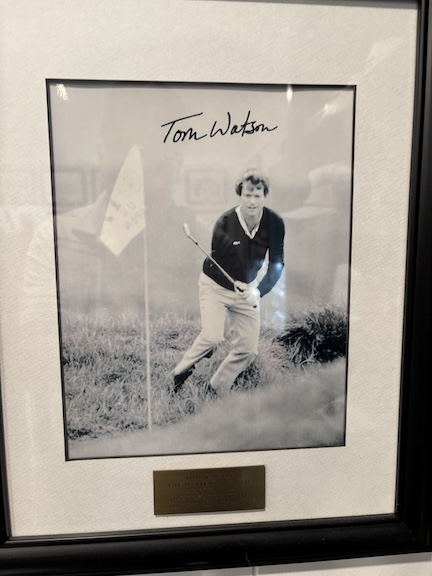
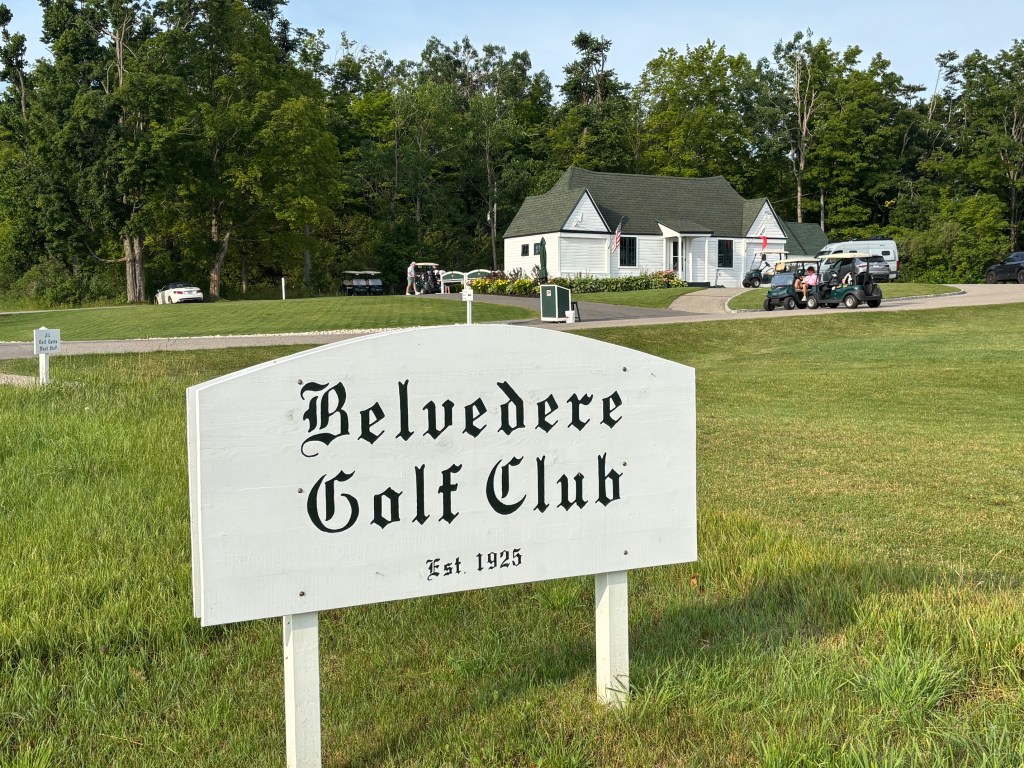
Joy then walked me around the proshop in the Belvedere clubhouse, half-golf shop, half-museum. Dozens and dozens of photos of said major winners line the walls, many autographed, including the first true professional golfer, Walter Hagen. In 1929, Hagen called Belvedere GC, “The best 18-hole resort course in the United States.”
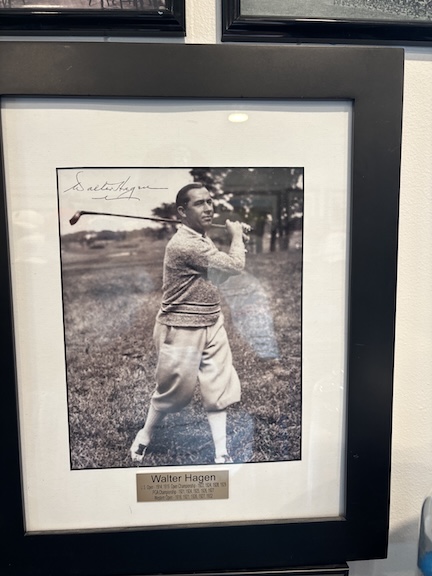
Whether or not you’ve heard of Watson, if you are an avid golfer, Belvedere Golf Club is a must-play example of classic course architecture principles that stand up by every measure to today’s equipment and players. From your first step into the proshop to your last step off the 18th green, you are immersed in golf history and Watson’s architectural genius.
Playing Belvedere Golf Club
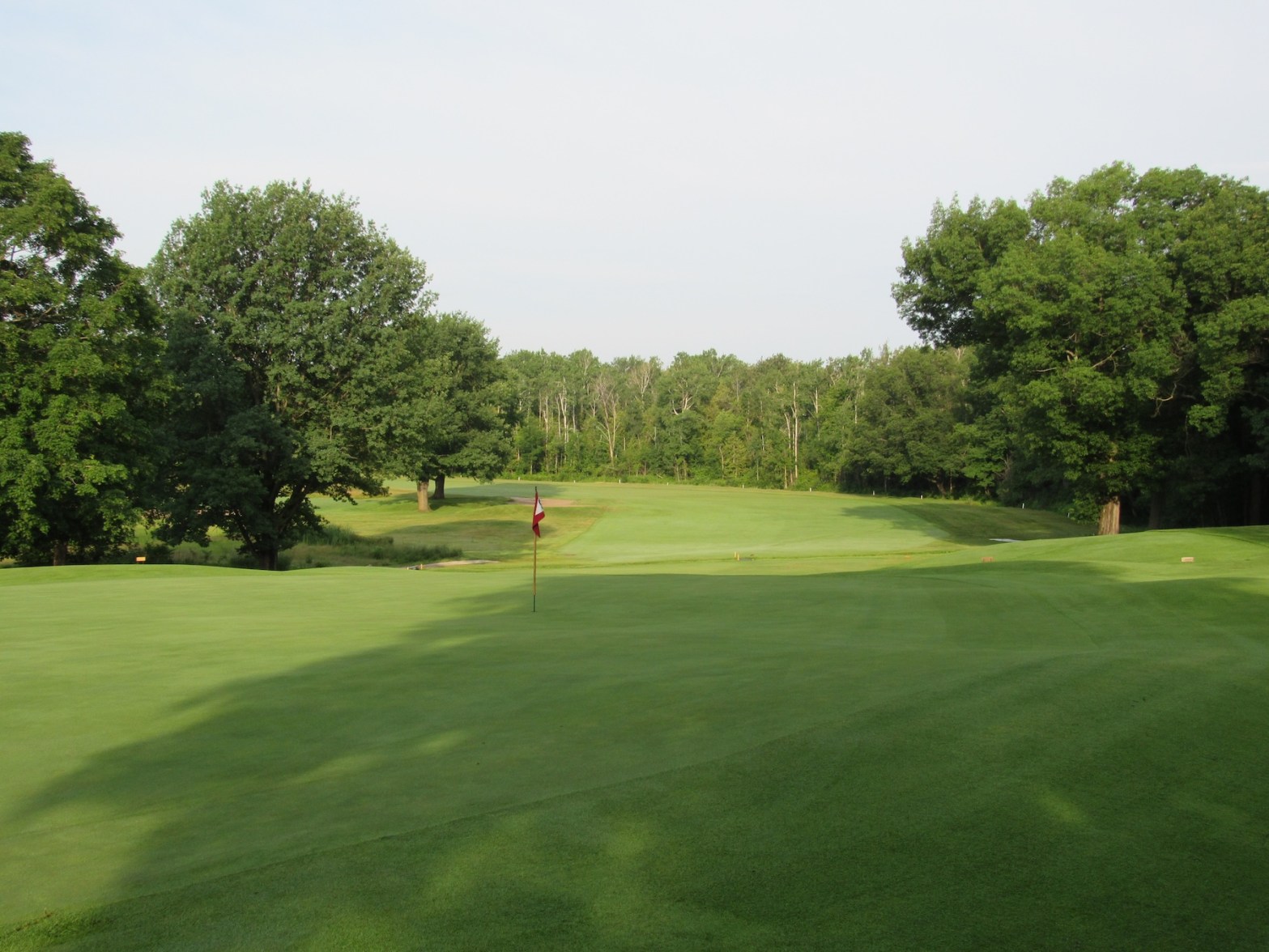
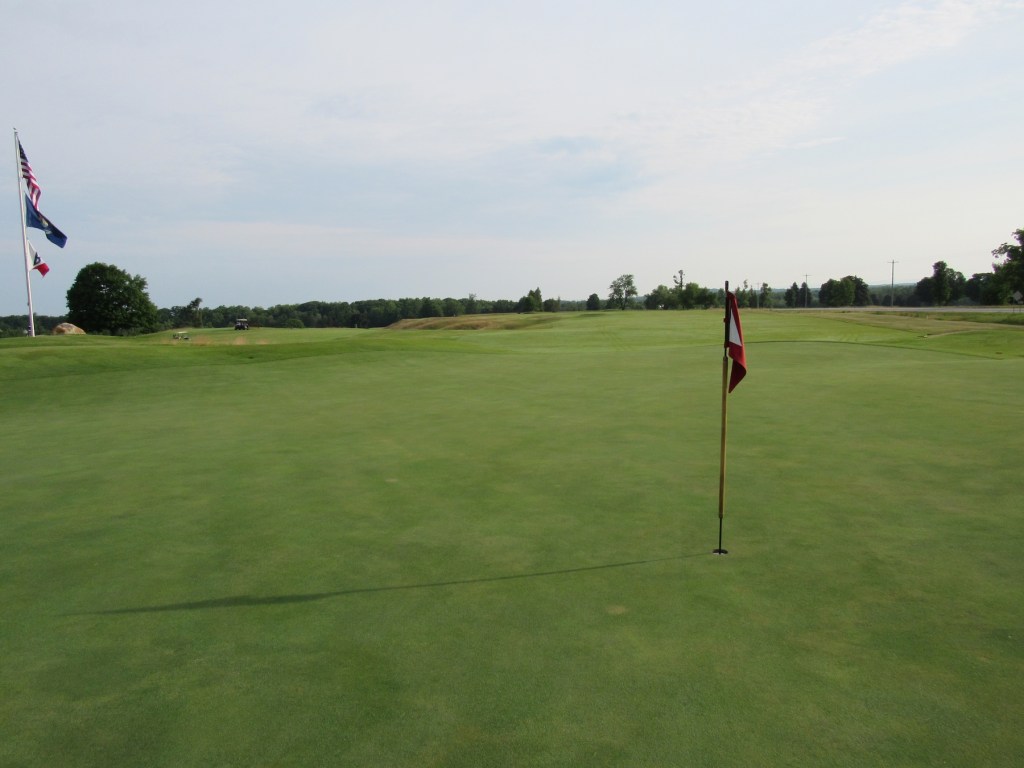
“This is a second-shot golf course,” explained Joy as I asked for tips before my round. “The fairways are wide, but the greens” – Watson’s brilliant, vexing, links-inspired greens – “are tough. There are lots of false-fronts, and closely mown run-offs on nearly all of them. If you don’t land in the right spots, you won’t stay on.”
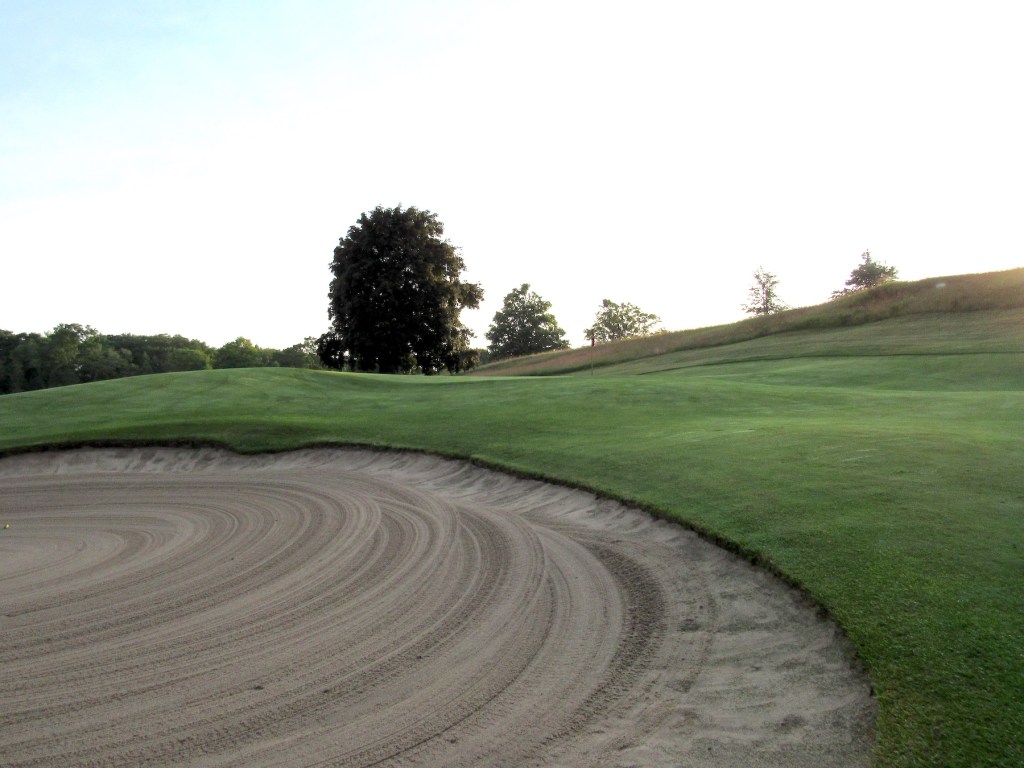
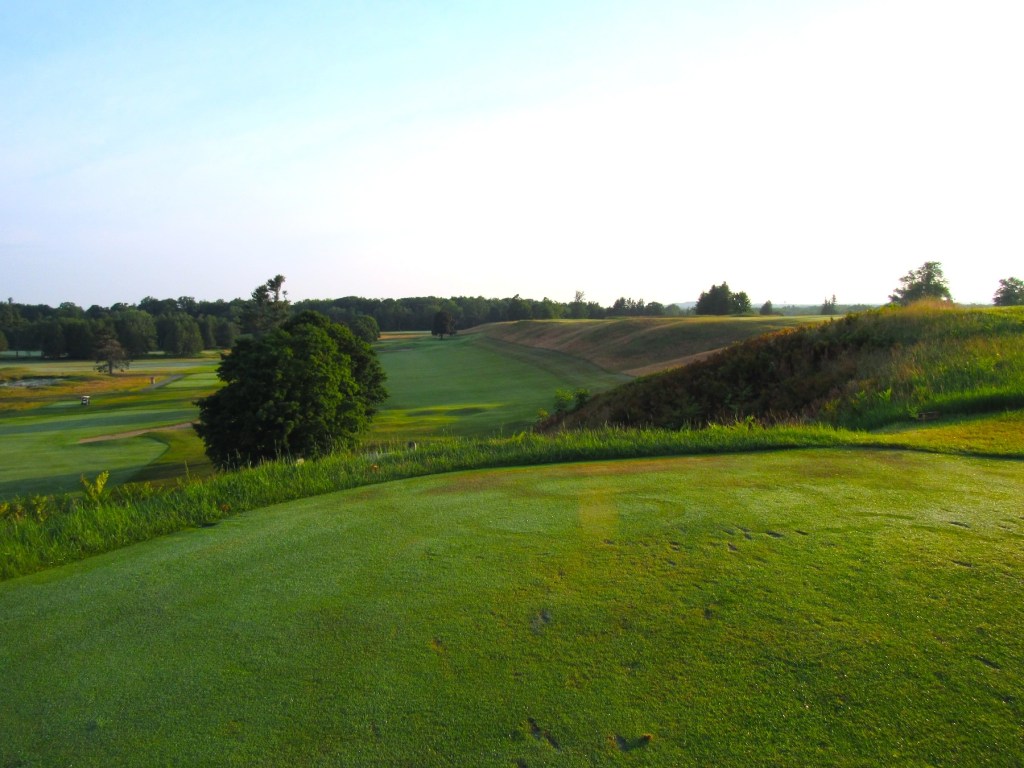
Indeed, the fairways are extremely generous, though there are a number of strategically positioned fairway bunkers and swaths of knee-high fescue that can easily swallow tee shots that wander too far astray (for example, the steep ball-magnet of a hillside to the right of the elevated 1st tee). There are also a few hidden hazards off the tee that can ambush first-time visitors. And, just as Joy warned, I experienced the vagaries of the greens on easily half the holes, where I thought approaches or pitches were safe, saw my ball trickle (or scamper) off false fronts or sides, or funnel far away from where they were intended to stop.
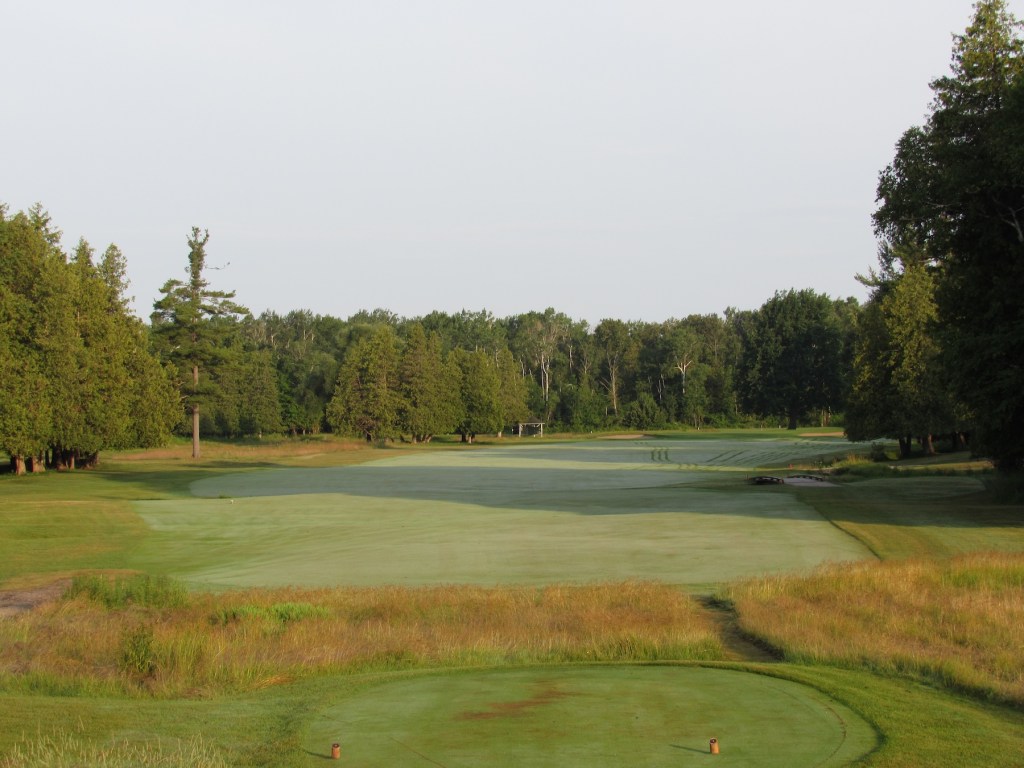
Watson was ahead of his time in both green design and routing. The putting surfaces are the epitome of “potato chip greens” with radical contouring on some, and table-top edges that run off into tight chipping areas or bunkers. The surfaces are pristine, however, which is remarkable considering that after 100 years, the turf is a bit mongrel, with hints of bent, bluegrass, and even poa. Even the run-off areas are pure, as attested by my one birdie of the day, which was a putt from several yards short of the green on the long par-3 4th. Considering the area was buried under four feet of snow in early April and then inundated with over four inches of rain in late April, the greenkeeping staff have done an amazing job providing players with impeccable greens. “They’ll keep getting faster all summer,” said Joy, rather ominously.
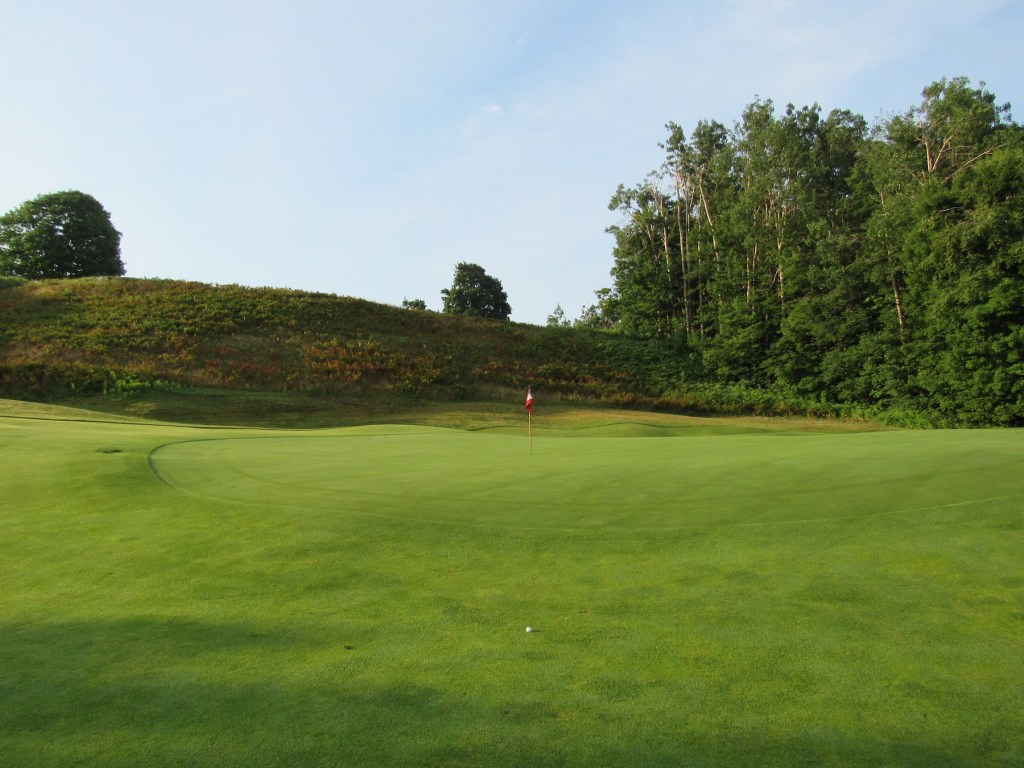
In terms of routing, Watson varied directions, elevations, and yardages masterfully, establishing a template for modern layouts. This is especially true of the final three holes, where the 16th is a shortish par 4 (by today’s standards), but with a severely elevated green that forces big hitters to carry their drives over 320 yards if they want to try to drive it. The 17th is a mid-length par 3, and the 18th is a long and very difficult par 4 with one of the most diabolical greens on the entire course. The collective combination offers some birdie chances before forcing players to flex their muscles and close with 3-4 precise shots.
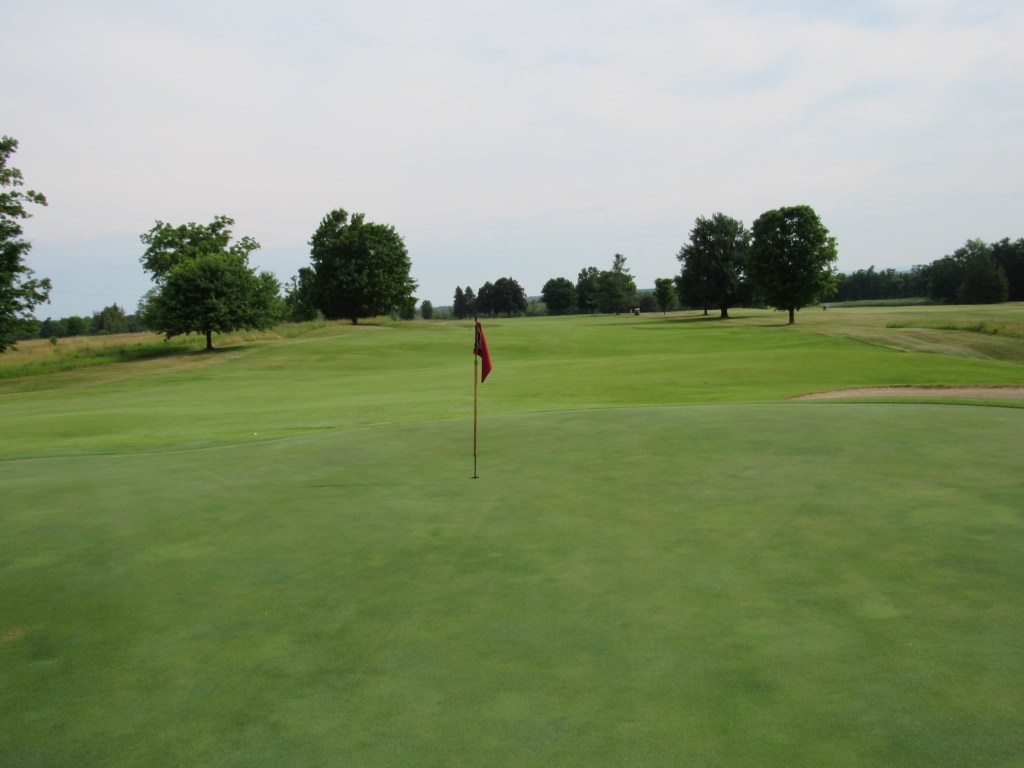
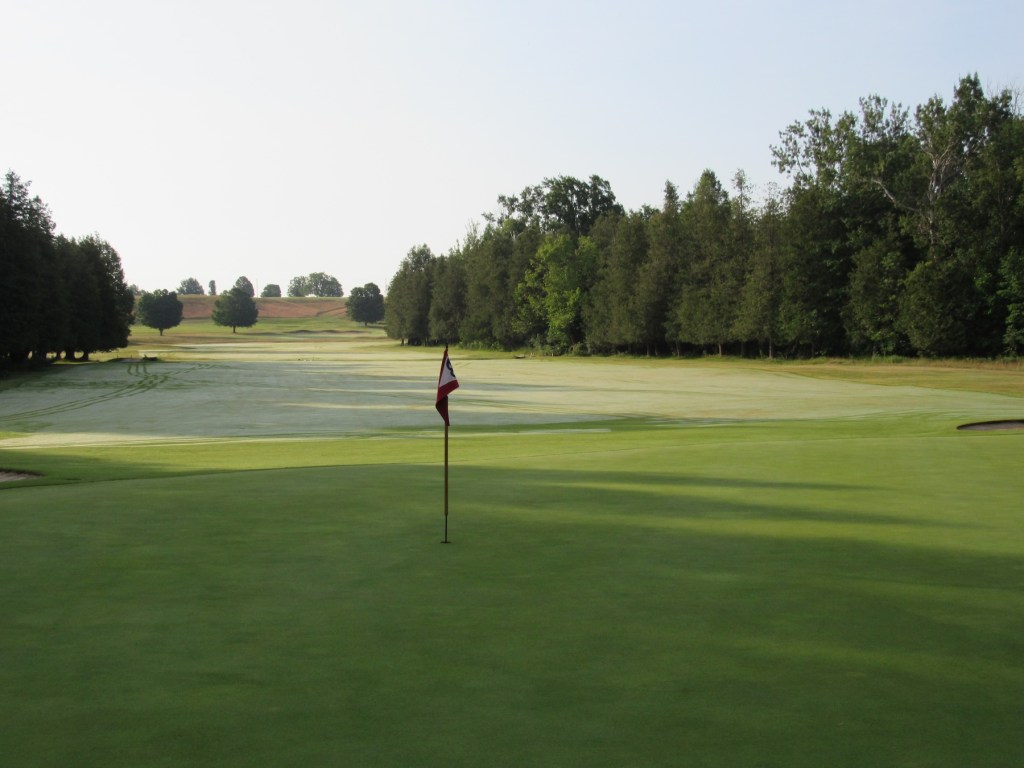
One particularly memorable feature is a creek that cuts across numerous fairways on the front side (Holes 2, 3, 5, 6) but which is mostly blind off the tee. Another, on the back side, is a collection of elevation changes, such as on the par-4 12th, where the fairway cants steeply left to right before plunging some 30 feet down to a flat stretch of fairway in front of the green. Then there’s the short par-5 15th, where the fairway is split in half by a 25-foot drop off that can be carried by big hitters. A lay-up off the tee is highly recommended for most, though.
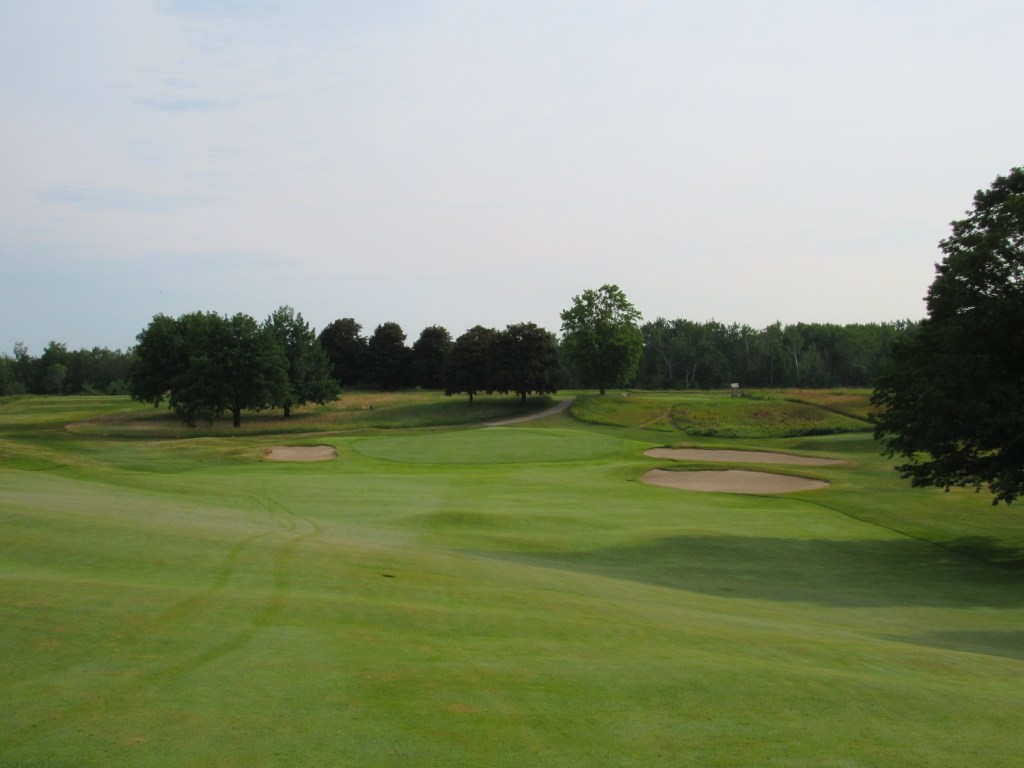
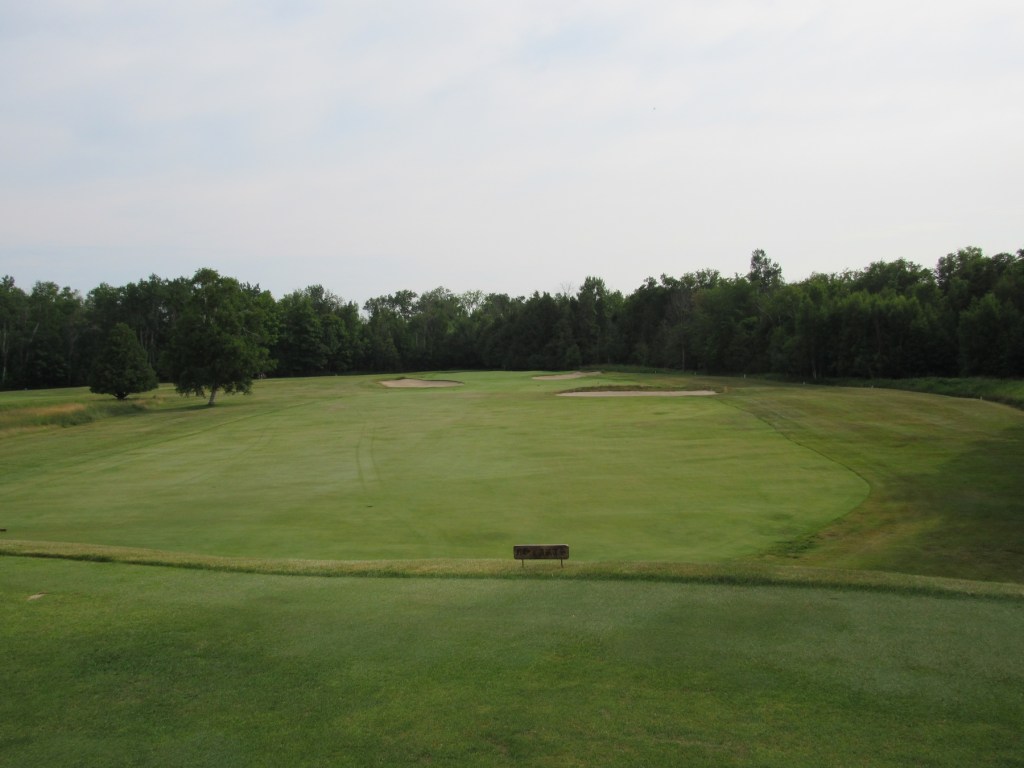
Like all the great classic courses, Belvedere was designed for walking, and it remains perfectly walkable today. In fact, driving a cart proved to be somewhat confusing as I tried to figure out which way to head to the next tees after several holes. The sort of wild, unmarked, cartpath-less vibe with greens and tees relatively close together reminded me of a lot of courses in Scotland. Frankly, it would have been less confusing to walk in terms of figuring out where I should be going next.
Belvedere offers six sets of tee boxes to accommodate players of all skill levels, ranging from 4,675 yards up to a respectable 6,905 yards. Some of the most forward tees are placed in the fairways but nevertheless maintain some of the strategic angles of the back tees. This flexibility on yardages makes Belvedere a natural – and, as it turns out, extremely popular – venue for the National Hickory Open. In this event, players tee it up with 1935-era hickory-shafted clubs. Belvedere hosted in 2019, when the field was the largest ever, and will host again in 2028.
Belvedere Golf Club: The verdict
I admit that I believe Michigan golf to be the best in the nation. Ideal agronomy and topography, long summer days that stretch playing time past 9pm, sandy soil, the sheer number of courses, and the astonishing history of golf in the state all contribute to my bias. Belvedere is the prototypical example of everything that makes Michigan golf so great. The immaculately conditioned course is completely isolated, with no houses to be seen from any hole. I walked into the proshop and was greeted by Dean Martin crooning softly over the speakers, a bag full of hickory-shafted clubs, and photos of all those Hall of Famers who have played here over the past century. Joy showed me a copy of the original Watson blueprints for the course and pointed out several original bunkers (large bunkers!) that have disappeared over time. Joy says that they will be restored to match the originals during the coming year or two.
Green fees are rather steep at $150 during peak season ($180 with cart). But Belvedere is a course where $8-$10 per hole is actually fair for the experience. Honestly, I fell in love with the course stepping onto the first tee. If I lived or summered in the area, I would become a member in a heartbeat.
If you go
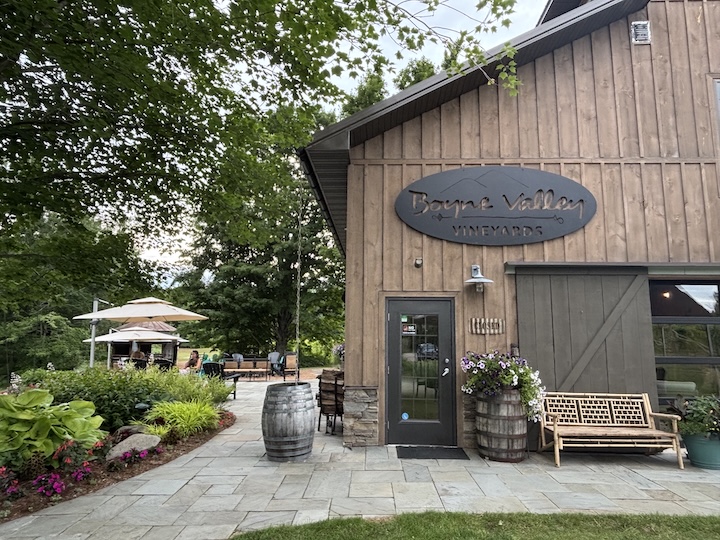
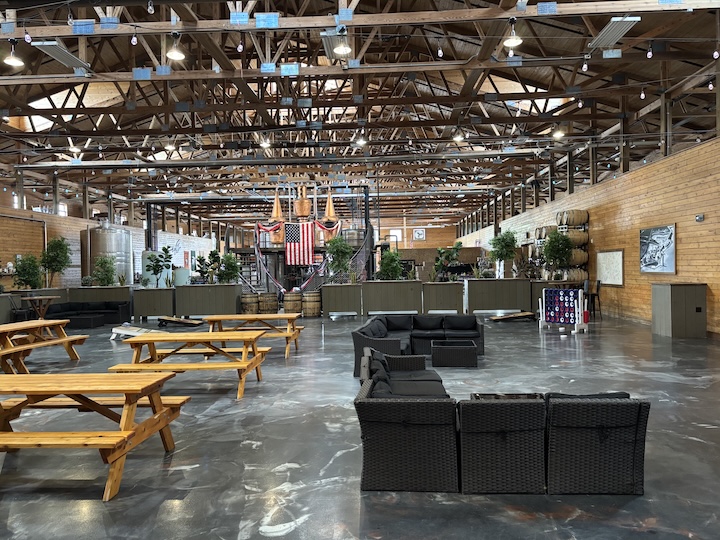
Northern Michigan is a summertime paradise, with golf and watersports taking top billing. There is also a vibrant winery, brewery, and distillery scene in the Charlevoix-Petoskey area. Highly recommended stops for some local libations include Boyne Valley Vineyards and Gypsy Distillery. The bandstand by the harbor in Charlevoix hosts live music throughout the summer. And for a taste of literary history, visit or reserve a room at the Hotel Perry in Petoskey, where Ernest Hemingway frequently stayed during visits to northern Michigan, and where he wrote his first long work, the controversial and often overlooked novella The Torrents of Spring (1926).